Harmoni Hotel Stuttgart
Redesign and Renovation of Harmony Hotel | Stuttgart, Germany
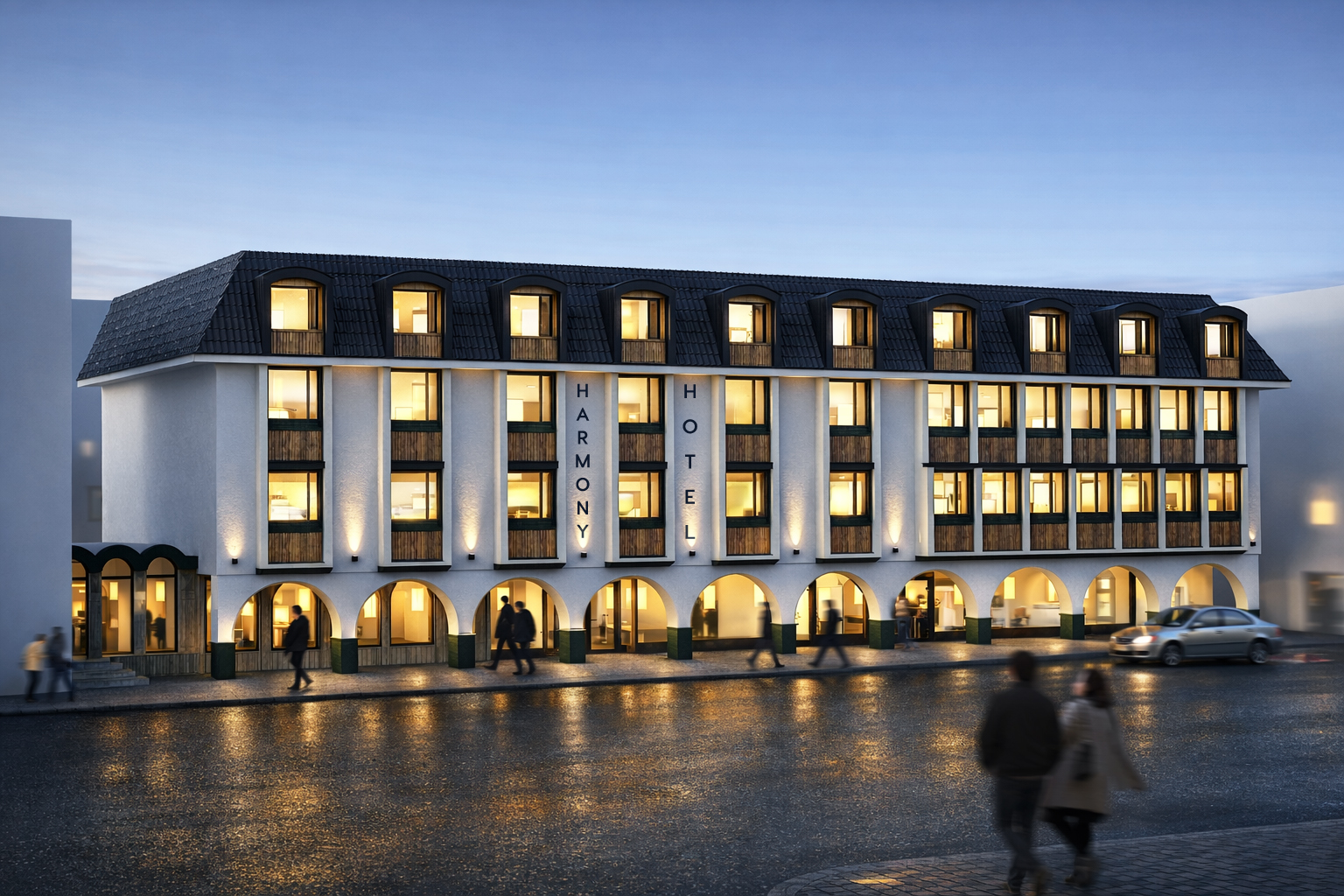
The redesign and renovation of Harmony Hotel in Stuttgart, Germany was developed with the aim of transforming an existing traditional hotel into a modern, smart, and reception-free boutique hotel. The project went beyond a conventional refurbishment and focused on redefining the hotel experience according to the lifestyle, expectations, and behavioral patterns of contemporary users. While preserving the overall character of the existing building, its spatial organization, visual identity, and user experience were comprehensively reconsidered.
The main design approach was based on the idea that transforming a traditional hotel into a contemporary one requires a clear understanding of modern human needs in relation to lifestyle, behavior, and context. Therefore, the profile of the users and the way they interact with the hotel became one of the fundamental drivers of the design process.
Due to the hotel’s location near major exhibition venues, conference centers, and business facilities in Stuttgart, its primary users are mainly professionals, executives, specialists, conference attendees, and business travelers, rather than leisure tourists. This specific context had a direct influence on the overall design strategy. The spaces, and particularly the guest rooms, were designed around the needs of people who travel for work and require an environment that is efficient, organized, independent, and comfortable, while still offering a strong spatial experience.
Accordingly, the hotel experience was developed to provide more than just the essential functions of accommodation. The users of this hotel require spaces that are practical but at the same time distinctive, memorable, and to a certain extent exotic. The aim was to create an environment that feels different from both home and the workplace while remaining fully suitable for short business stays and professional use.
This approach led to the development of a contemporary Boutique Hotel concept with a clear identity, a recognizable atmosphere, and a distinctive guest experience. Within this framework, many conventional elements of traditional hotels, such as a classic reception desk and unnecessary formal spaces, were no longer considered essential. Instead, the project introduced a more intelligent, technical, straightforward, and user-oriented environment that better reflects the lifestyle of its guests.
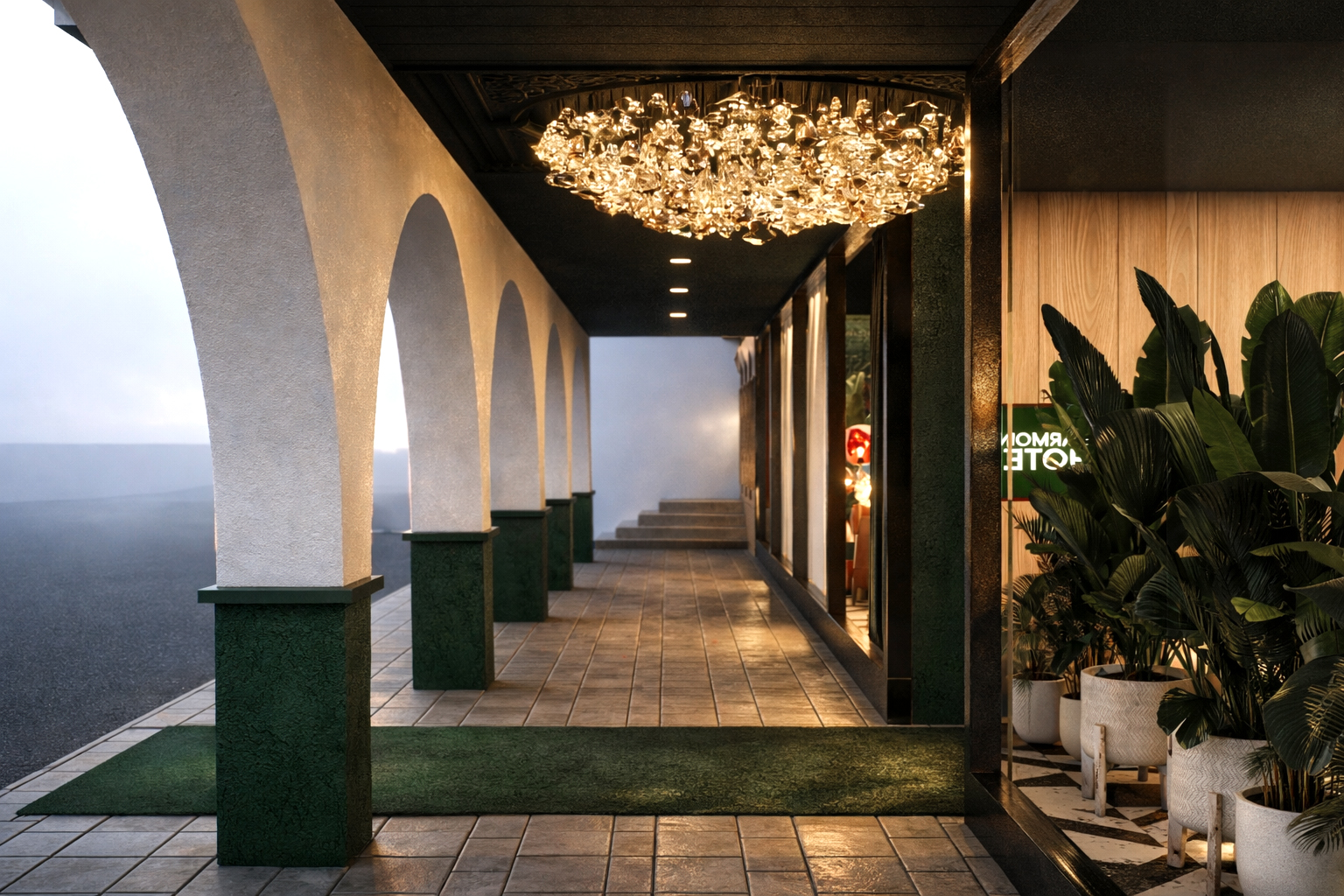
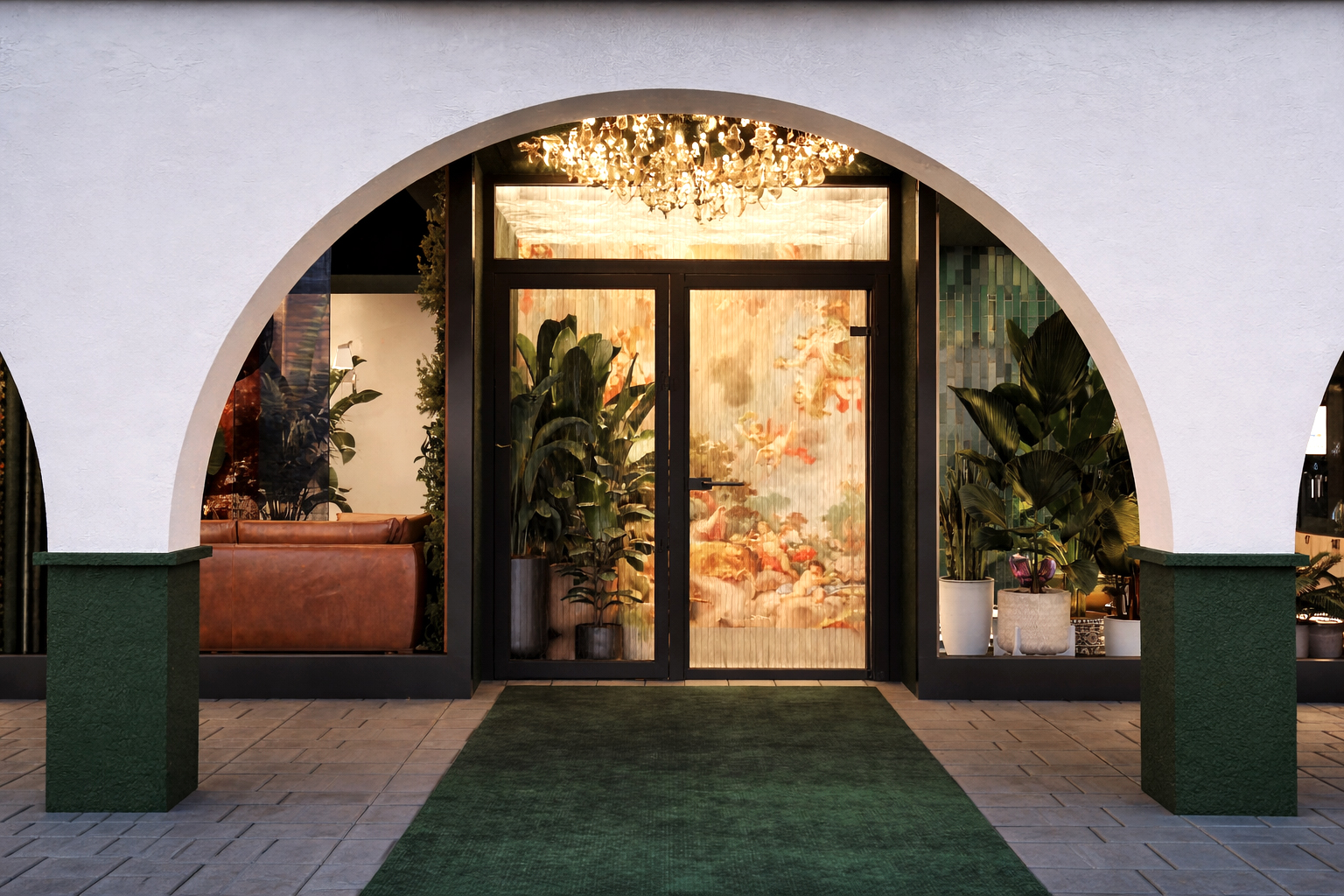
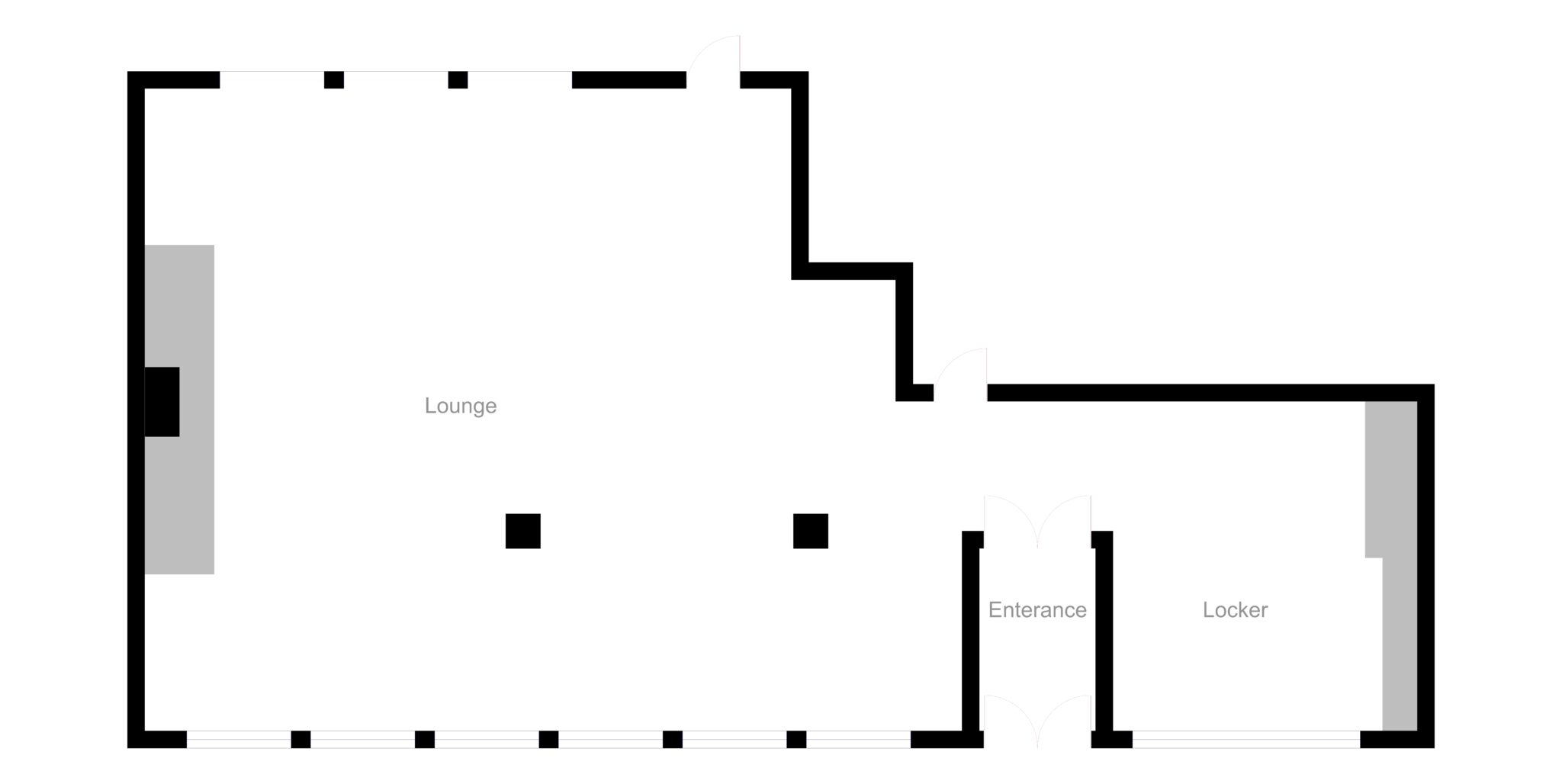
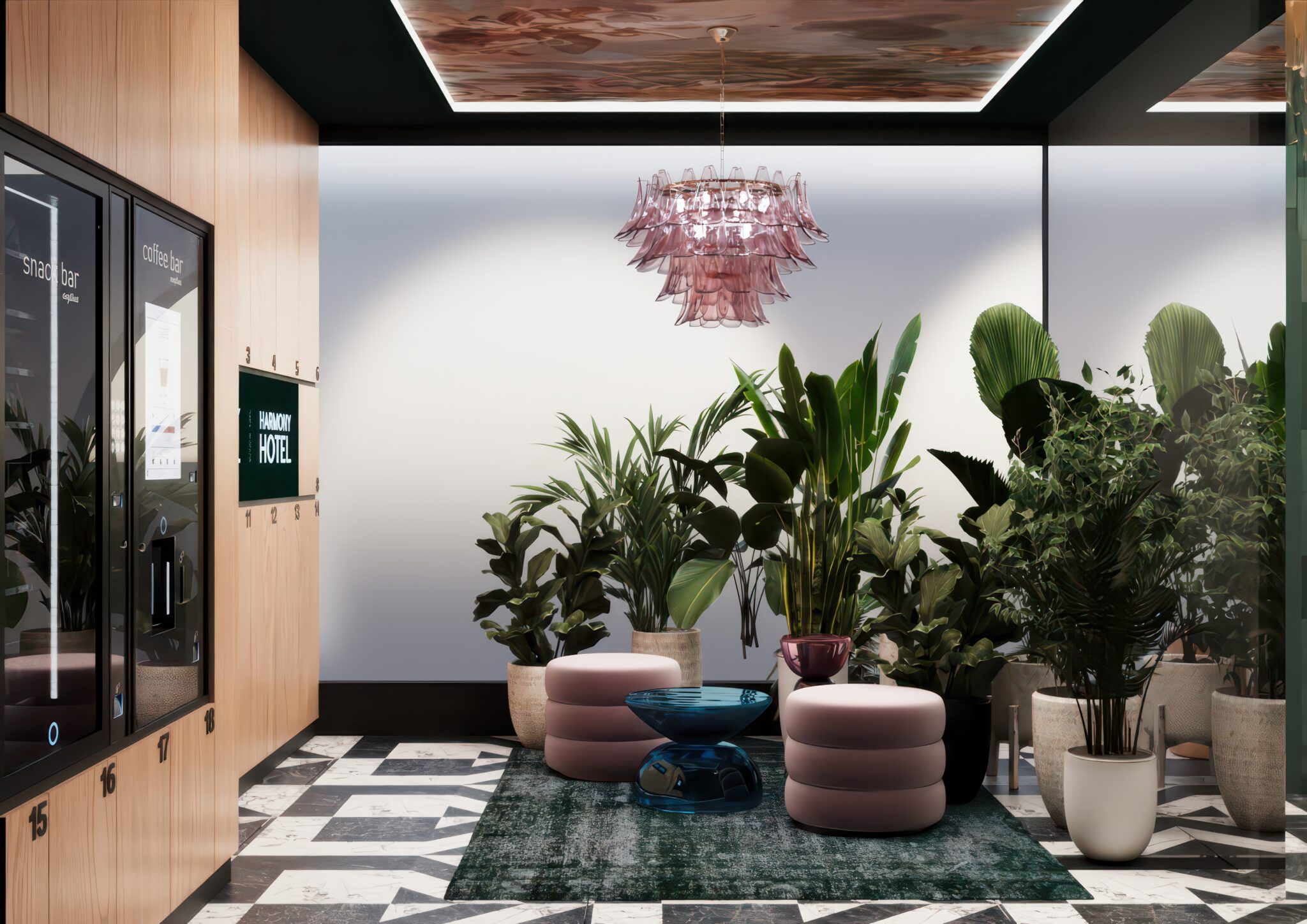
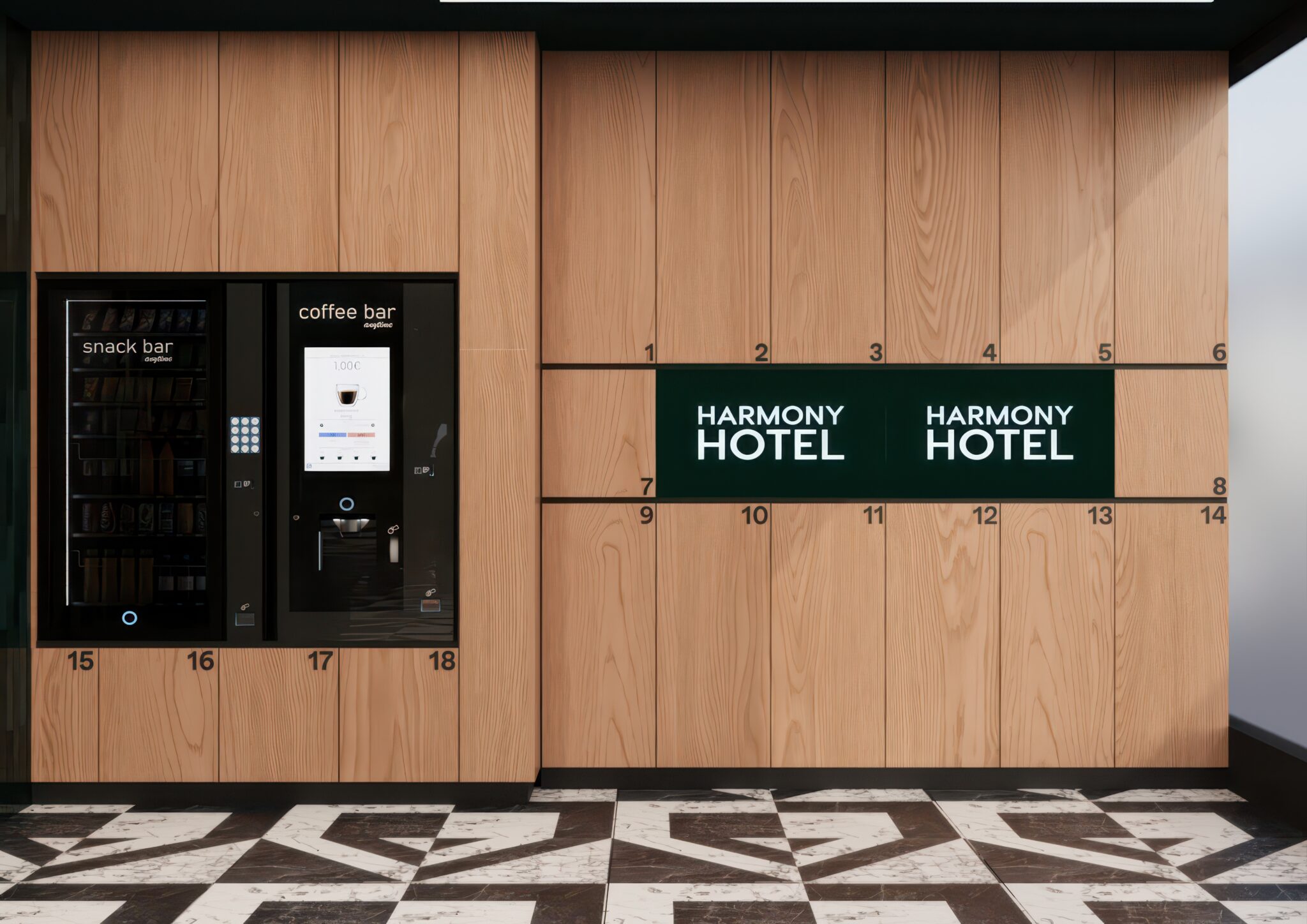
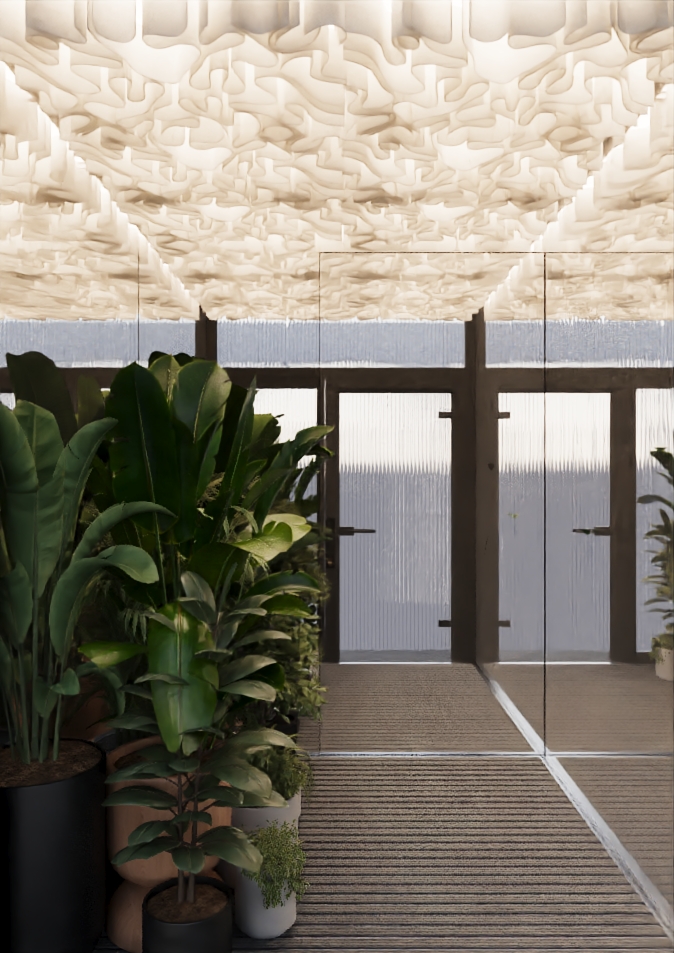
One of the key features of the project is the concept of a smart, self-service hotel, where processes such as booking, check-in, room access, and service requests can be managed digitally without dependence on a conventional reception system. As a result, the entrance, locker area, waiting space, circulation, and wayfinding systems were designed to provide guests with a simple, fast, and intuitive arrival experience.
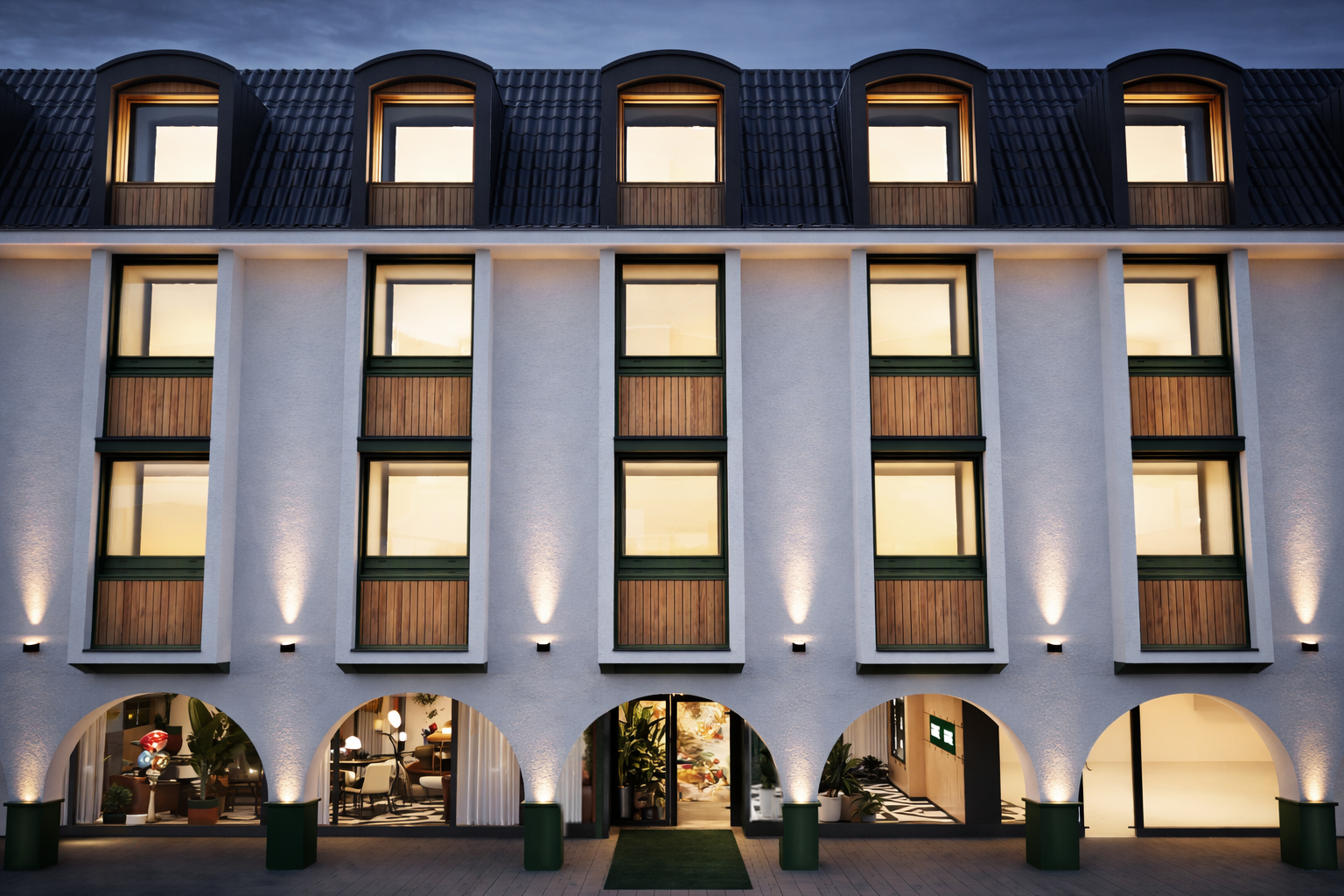
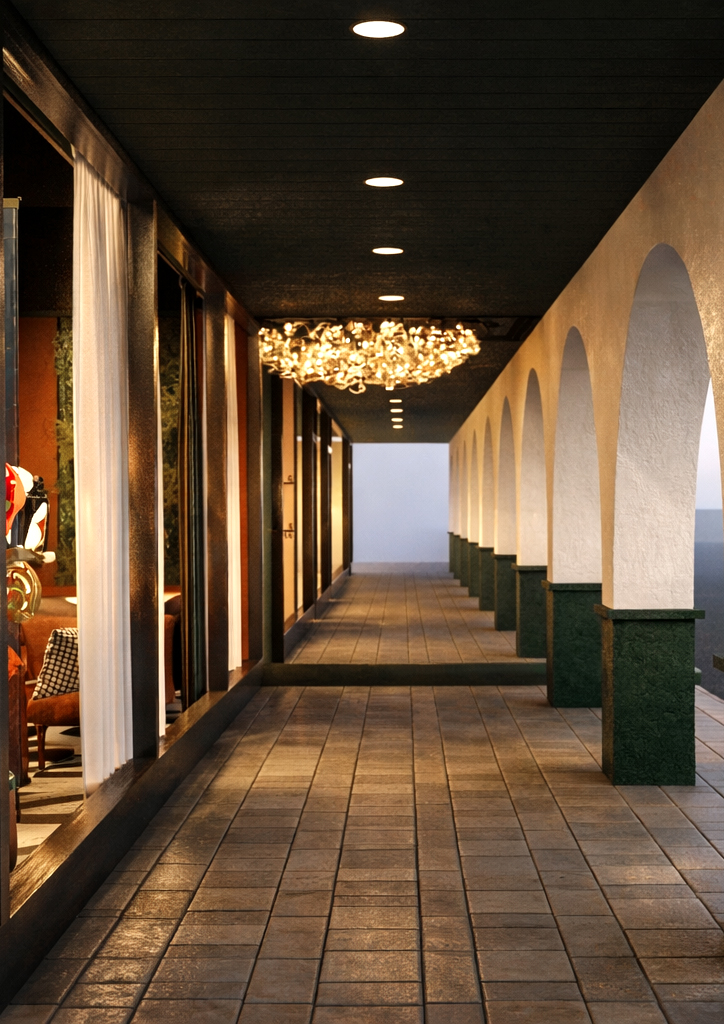
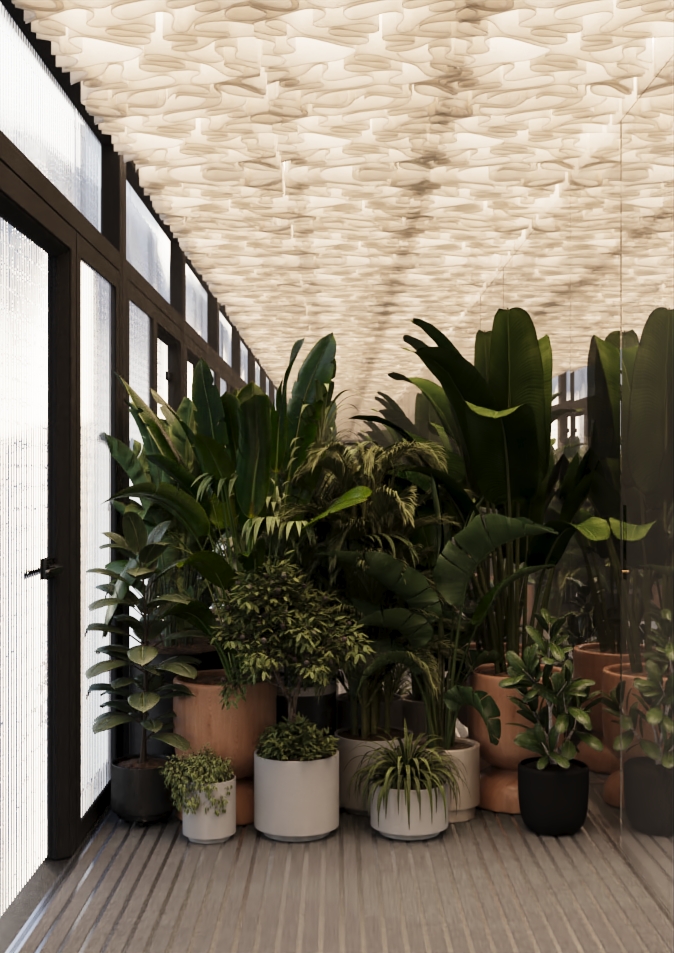
As part of the redesign, areas including the hotel façade, entrance, locker zone, waiting area, bar and café, guest rooms, bathrooms, corridors, and circulation spaces were reworked as one integrated design system. The project focused on removing unnecessary elements and improving those that directly contribute to the quality of the guest experience.
A fundamental principle of the renovation was to preserve and reuse as much of the existing building as possible. Elements that could be retained, adapted, or upgraded were kept, while only inefficient or unnecessary components were removed or replaced. This strategy not only created greater architectural continuity but also resulted in a more economically efficient and realistic renovation approach.
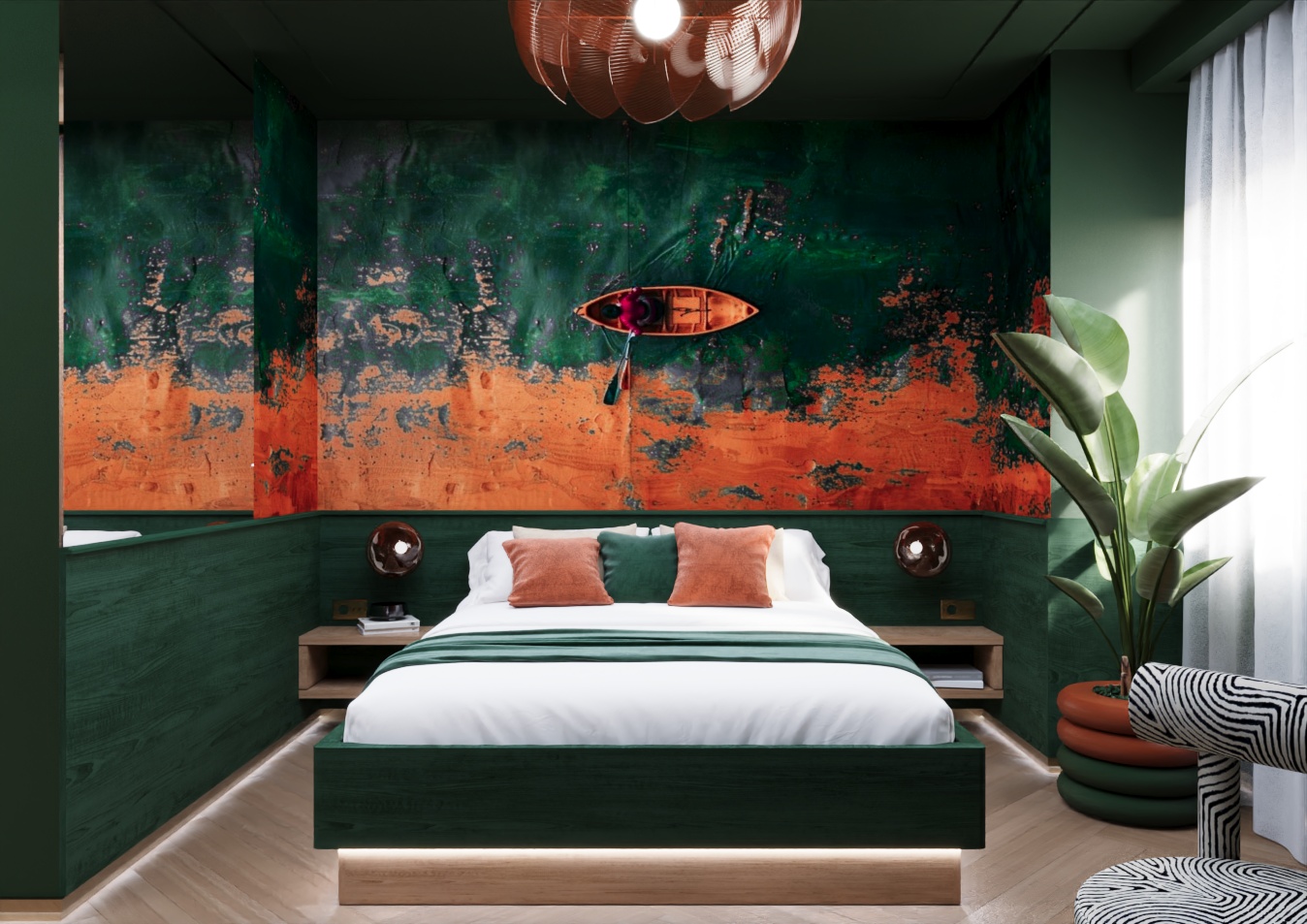
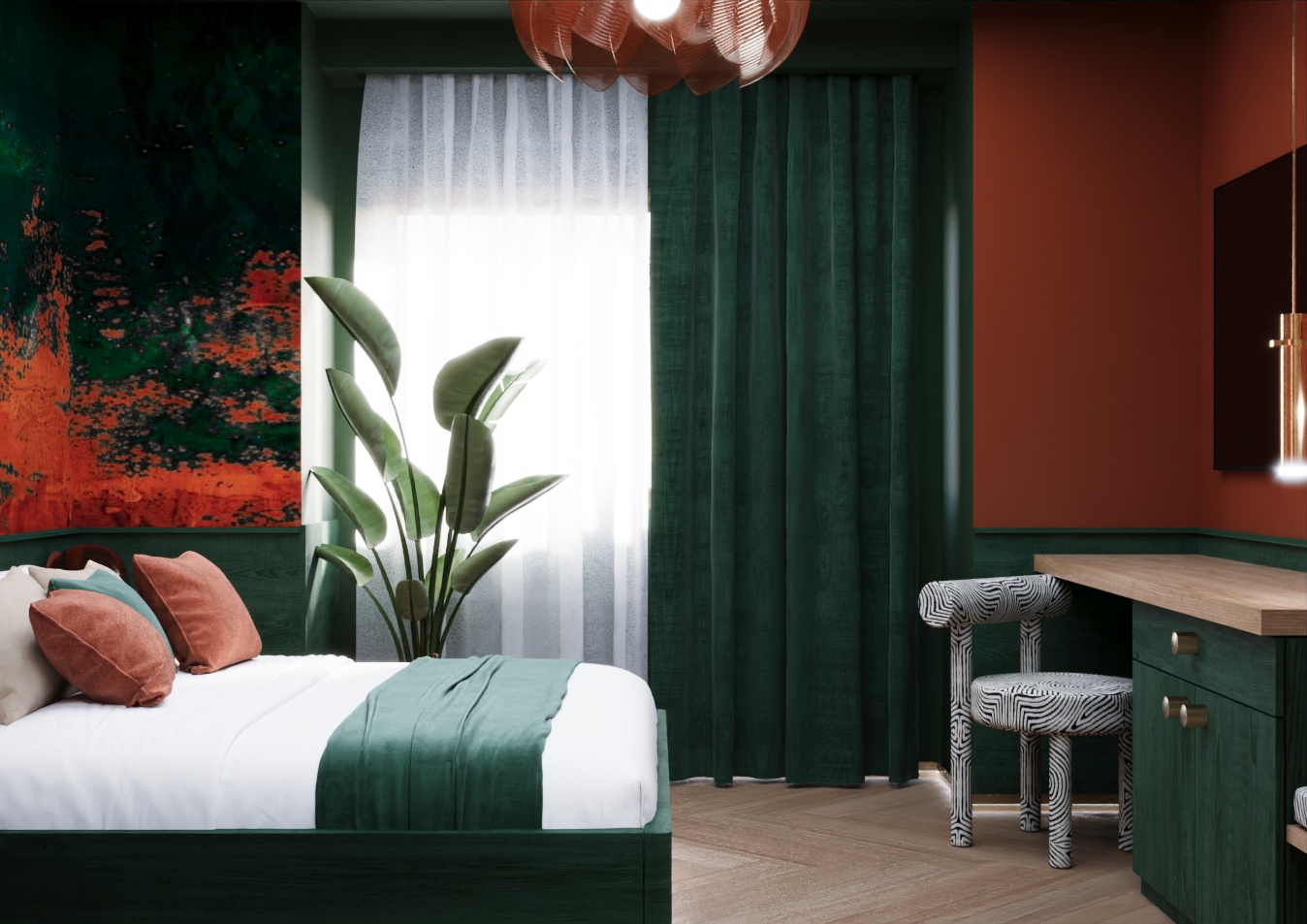
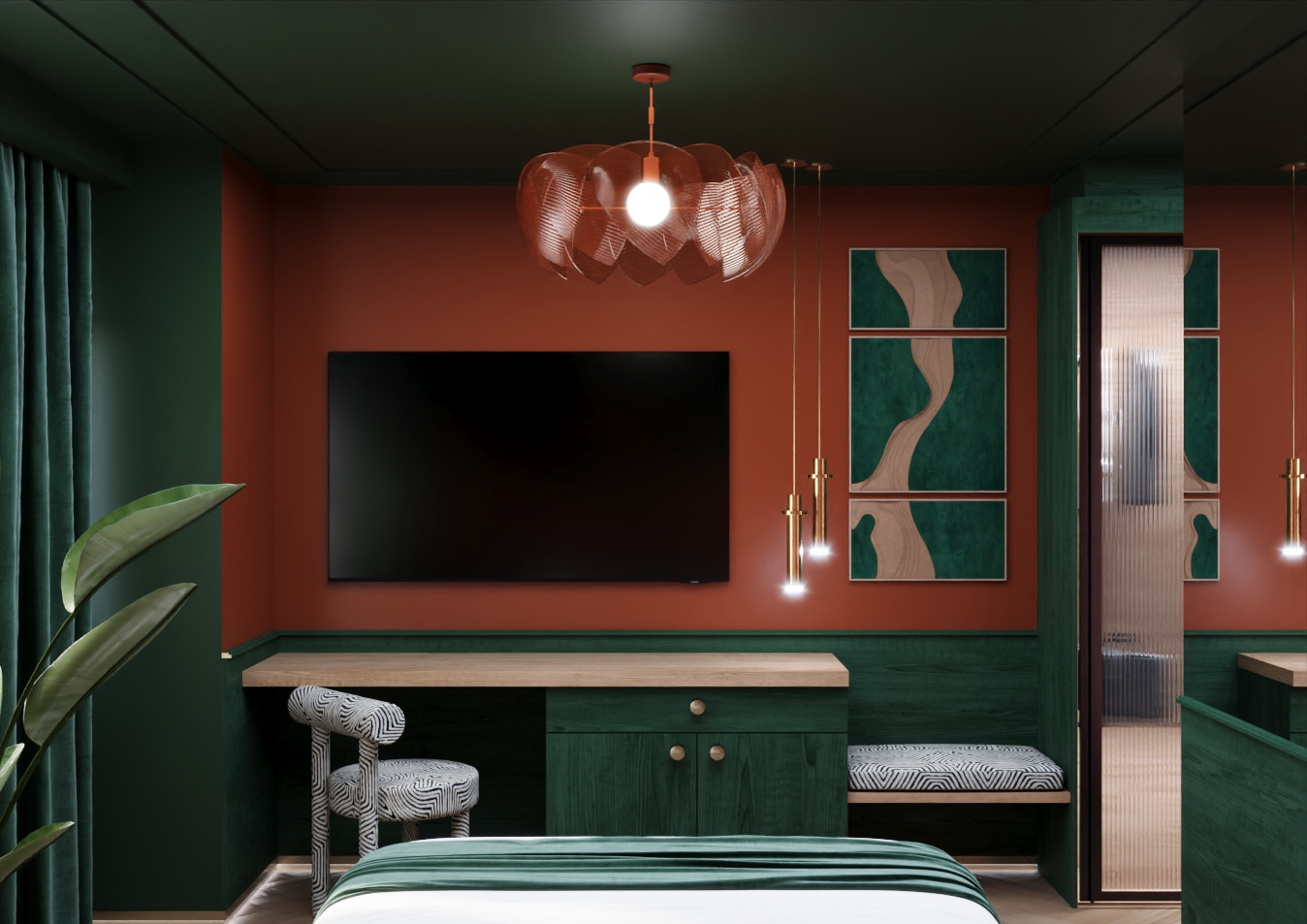
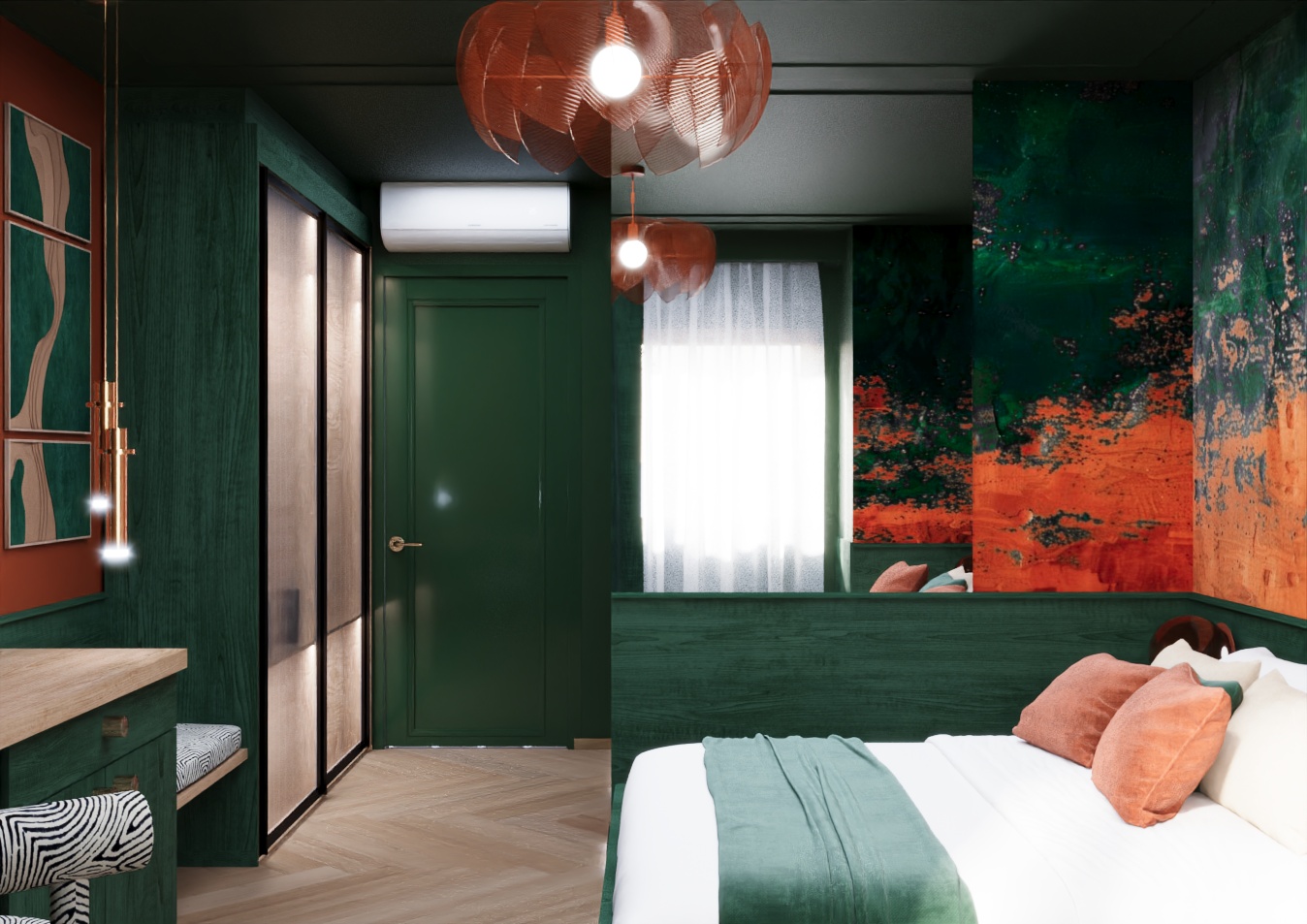
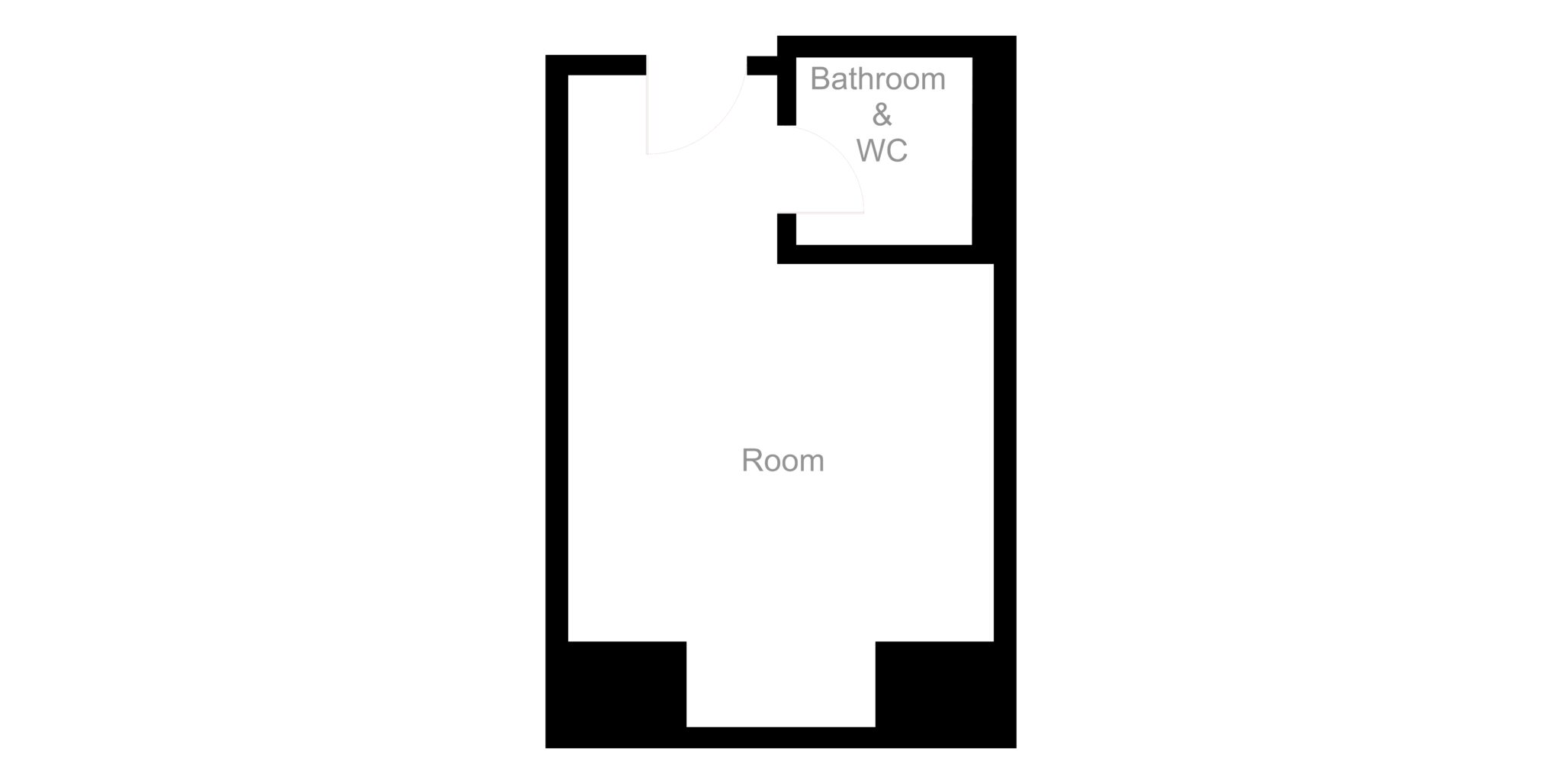
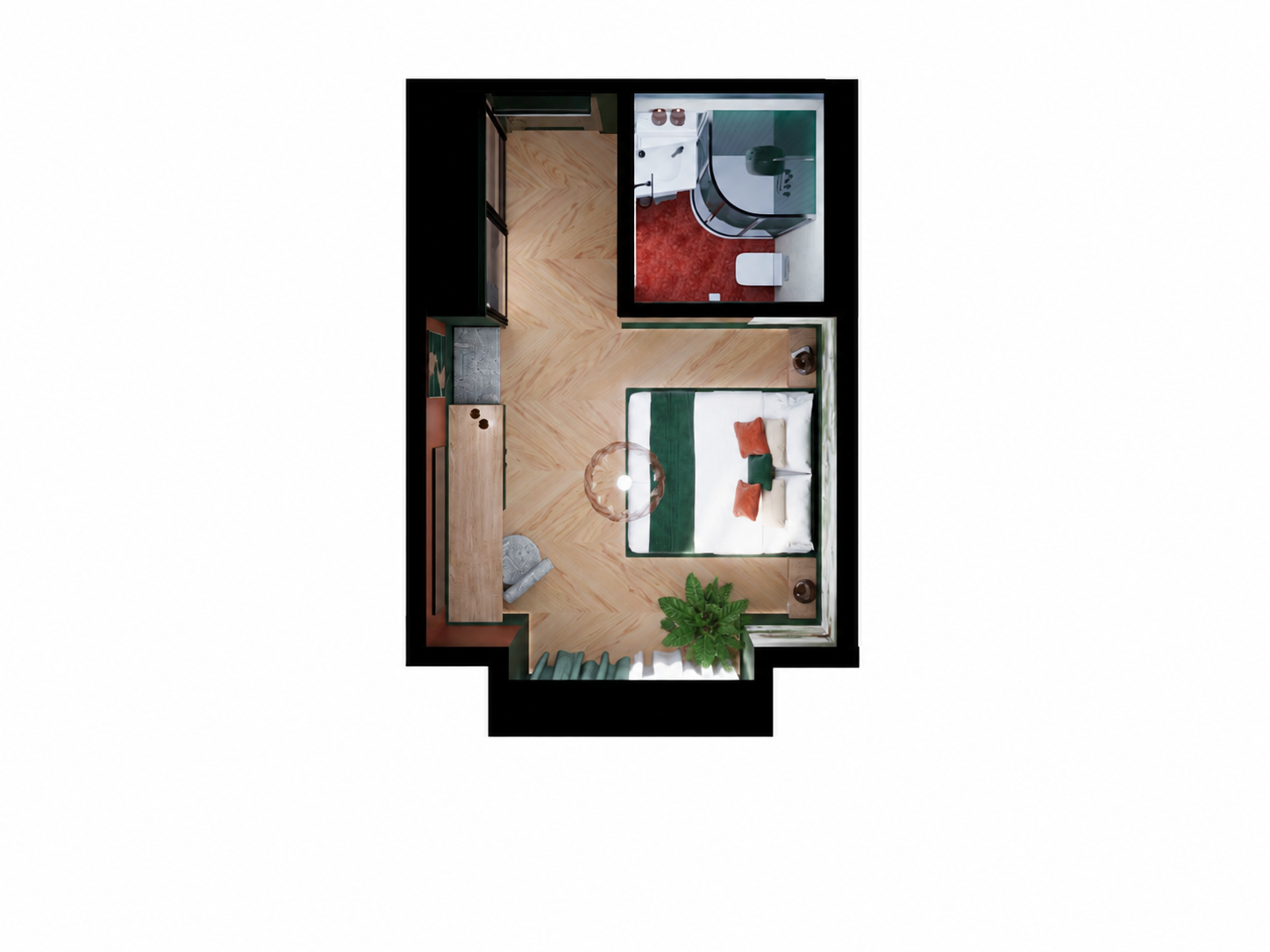
The guest rooms were not developed through a single repetitive layout. Instead, they were organized into a series of room typologies, based on spatial conditions, location, size, and level of service. Each room type offers a different combination of features and responds to specific user requirements. This approach allows the hotel to accommodate a wider range of guest needs while making more efficient use of the existing building structure.
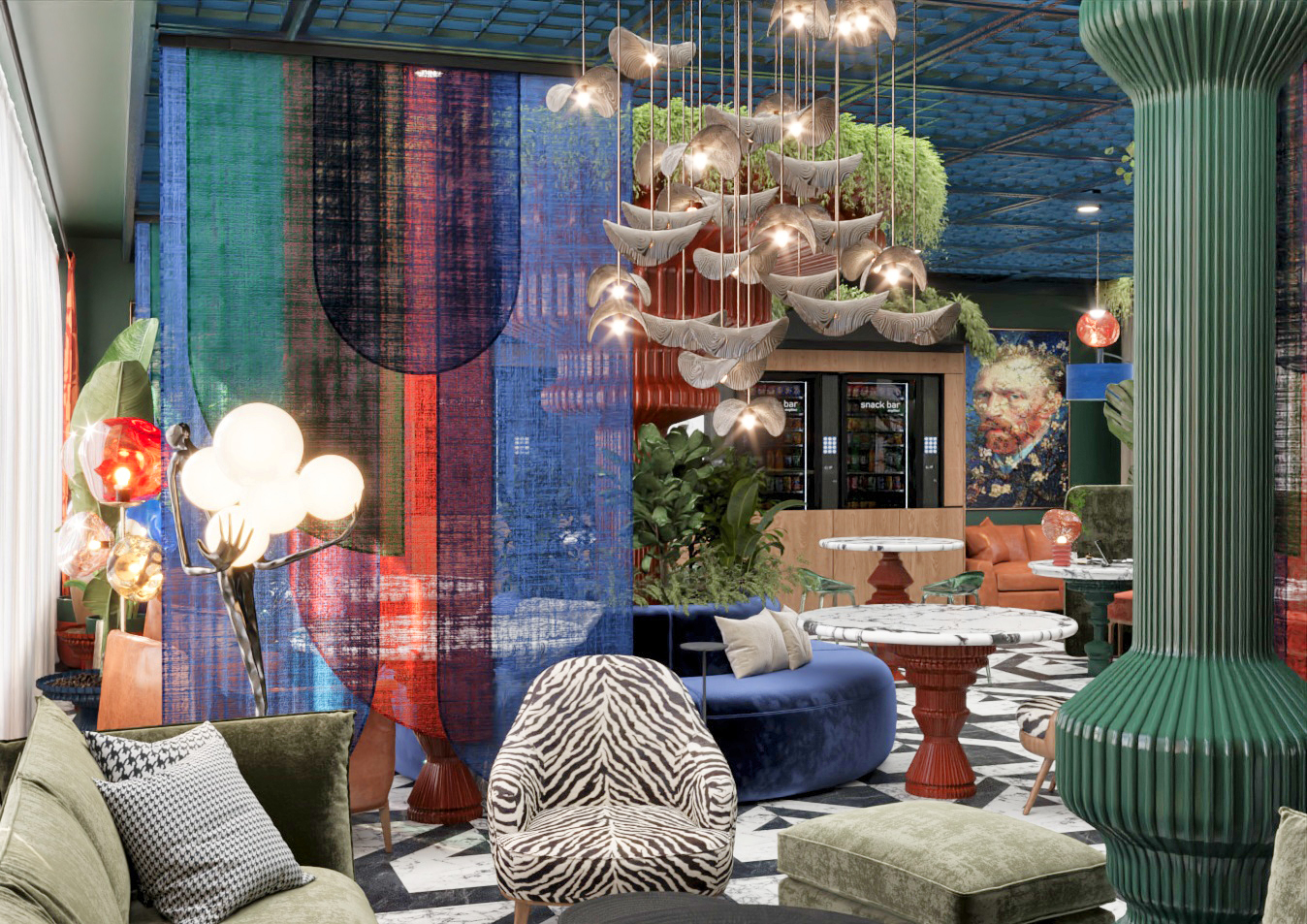
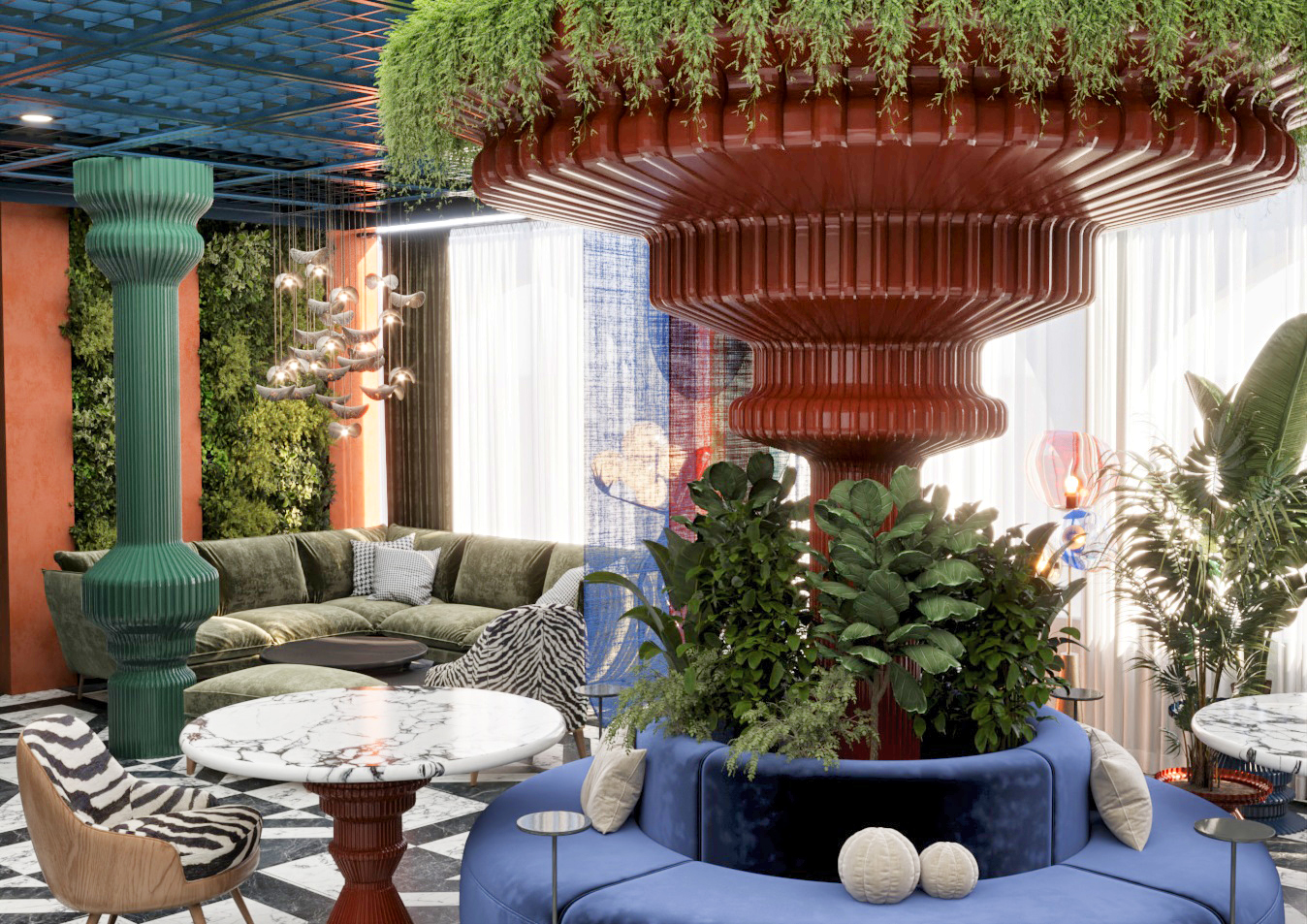
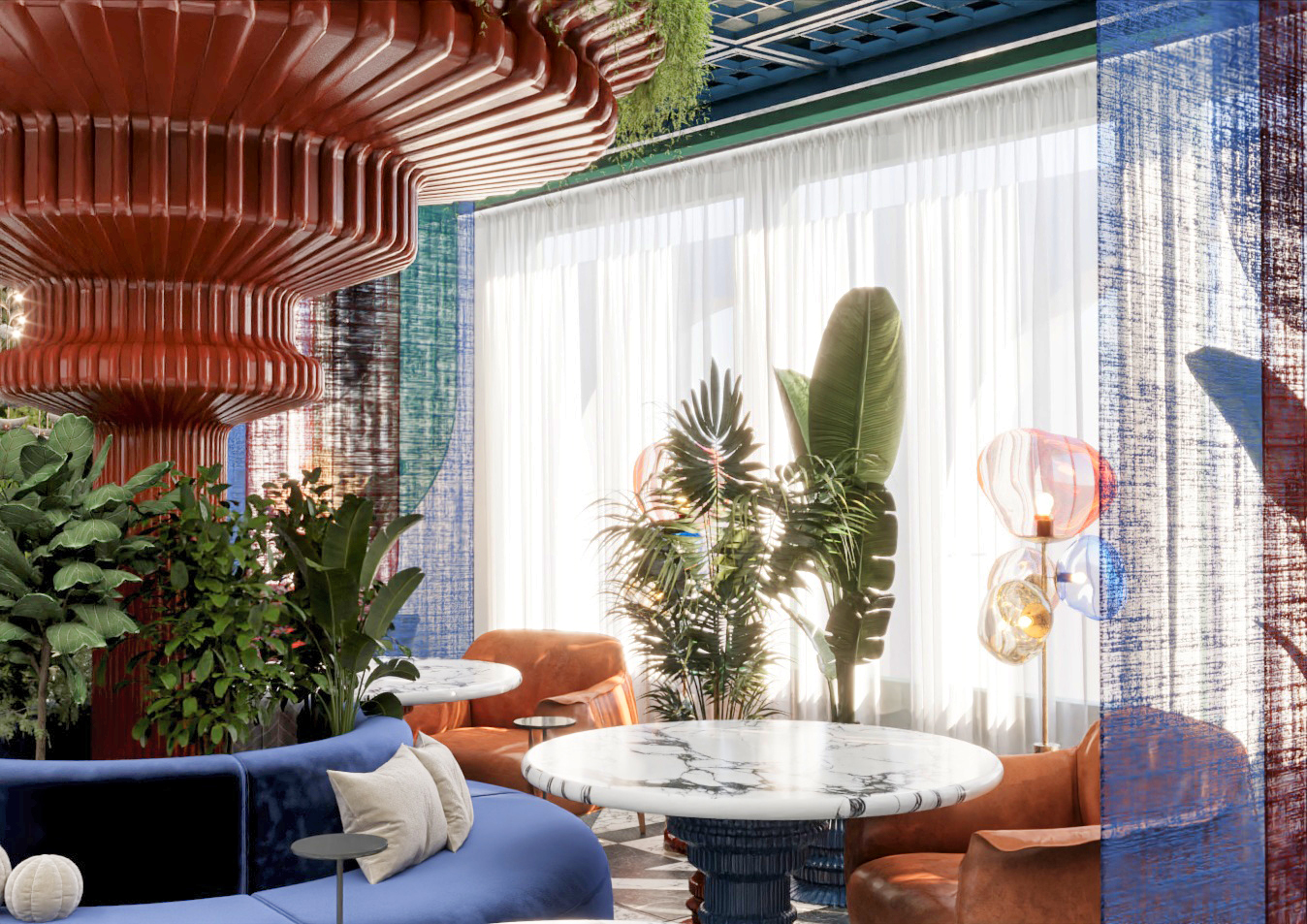
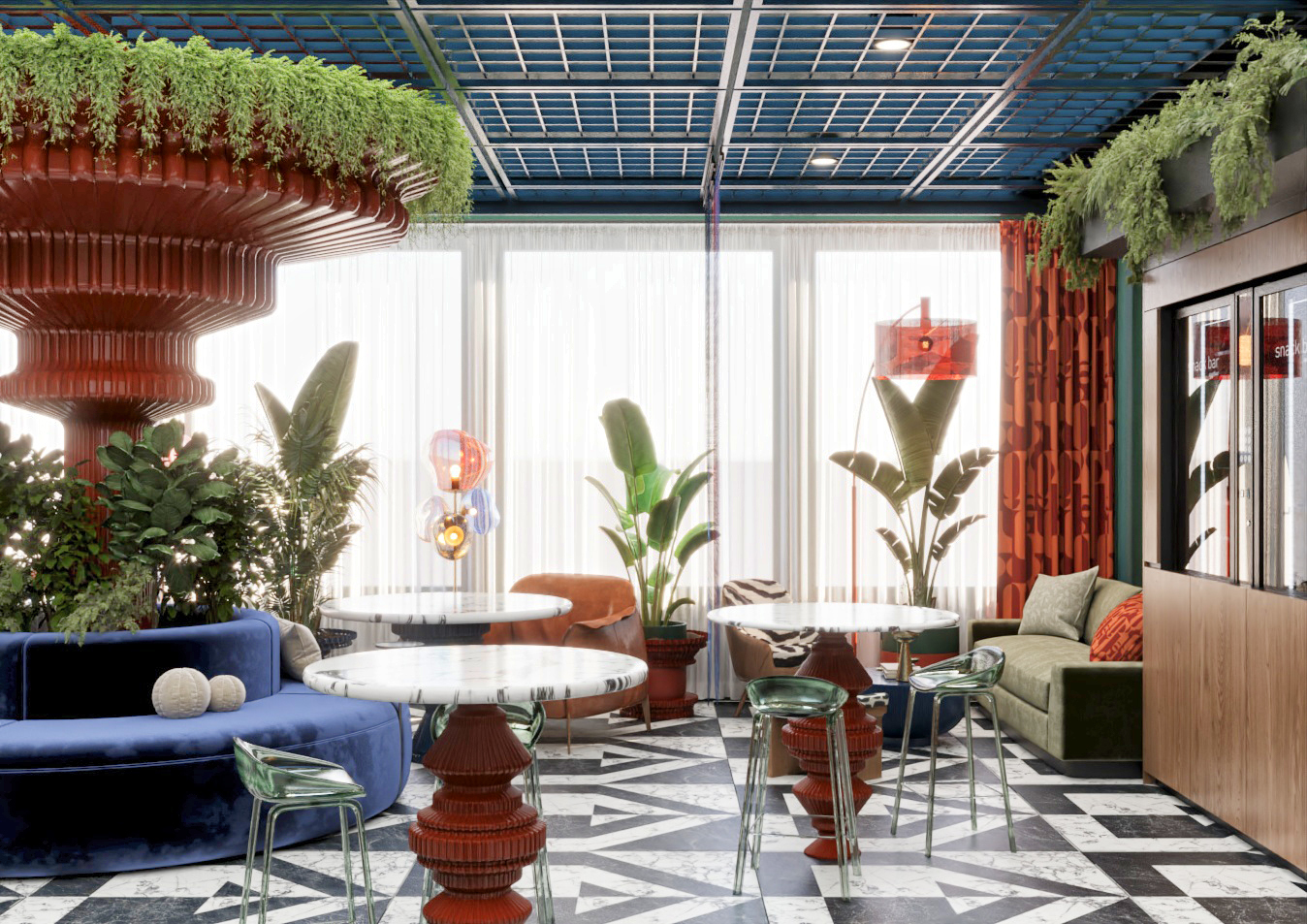
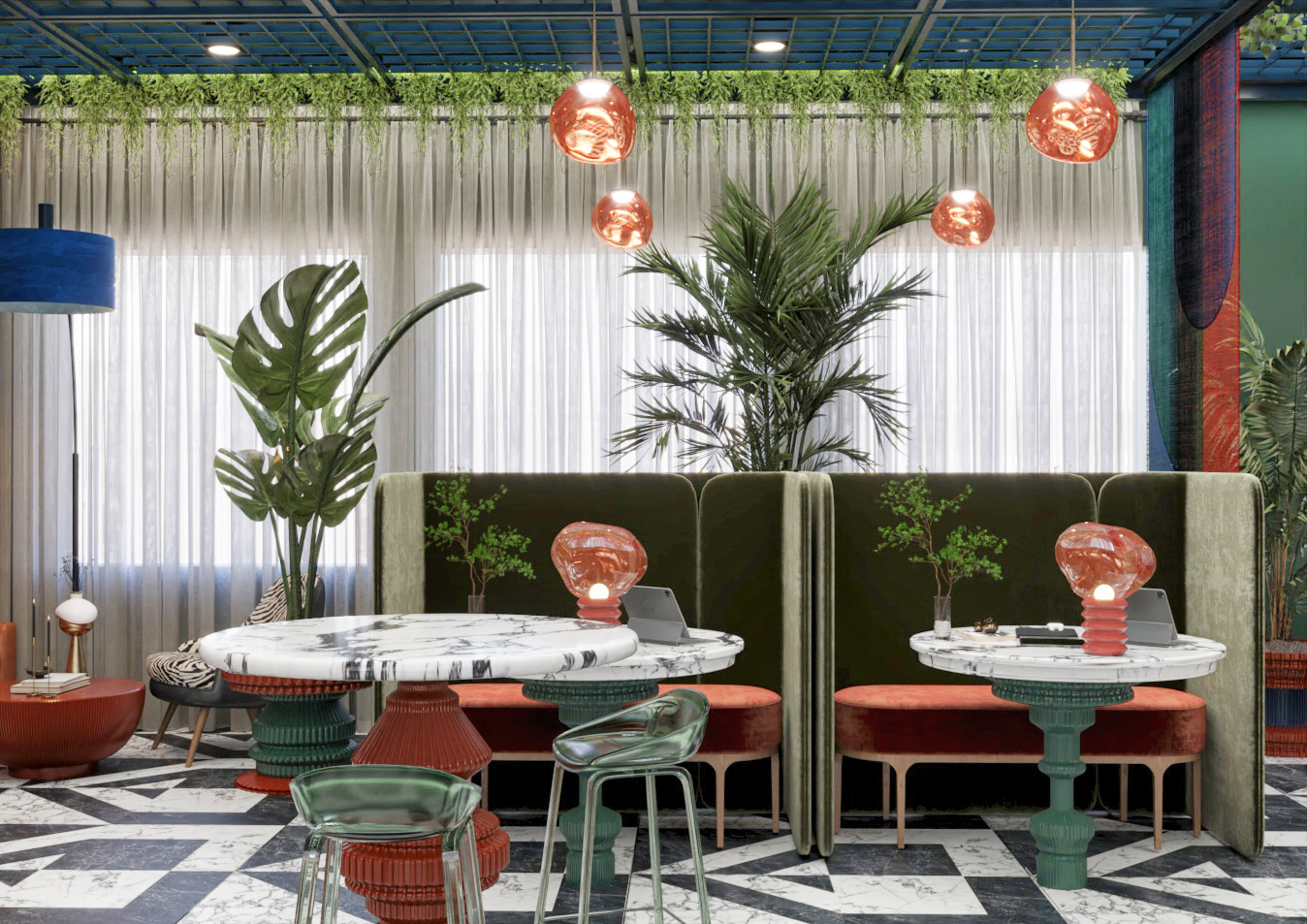
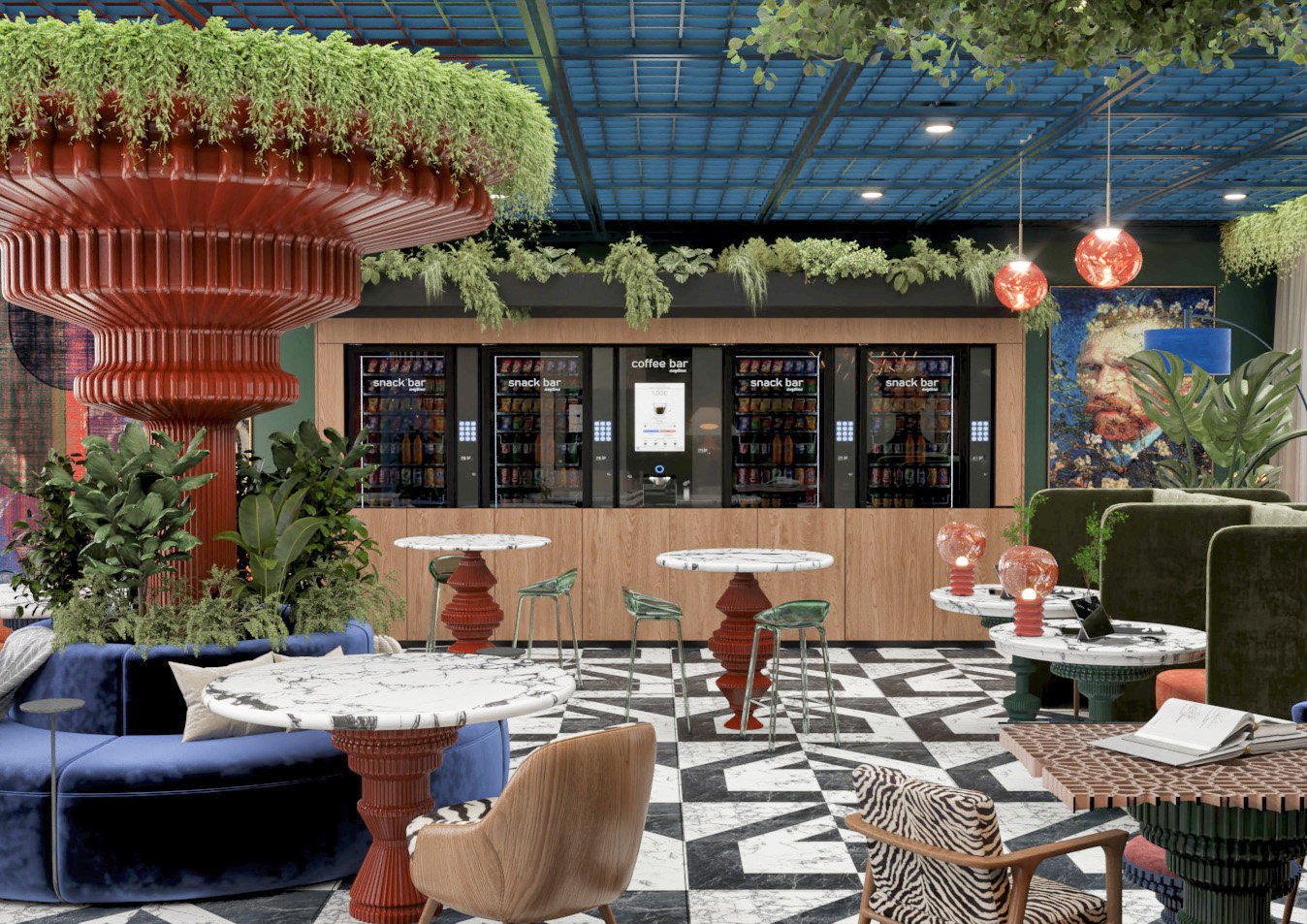
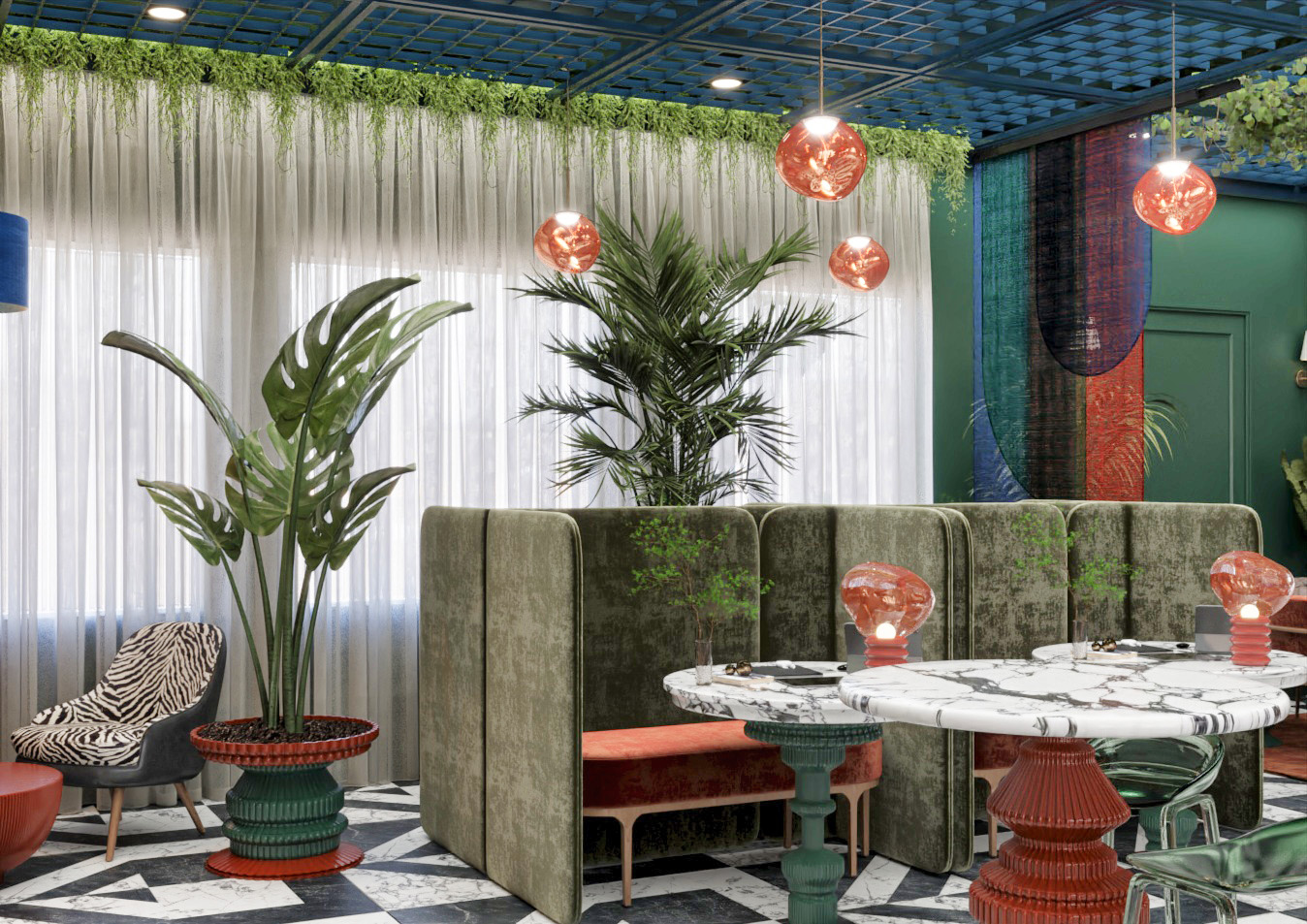
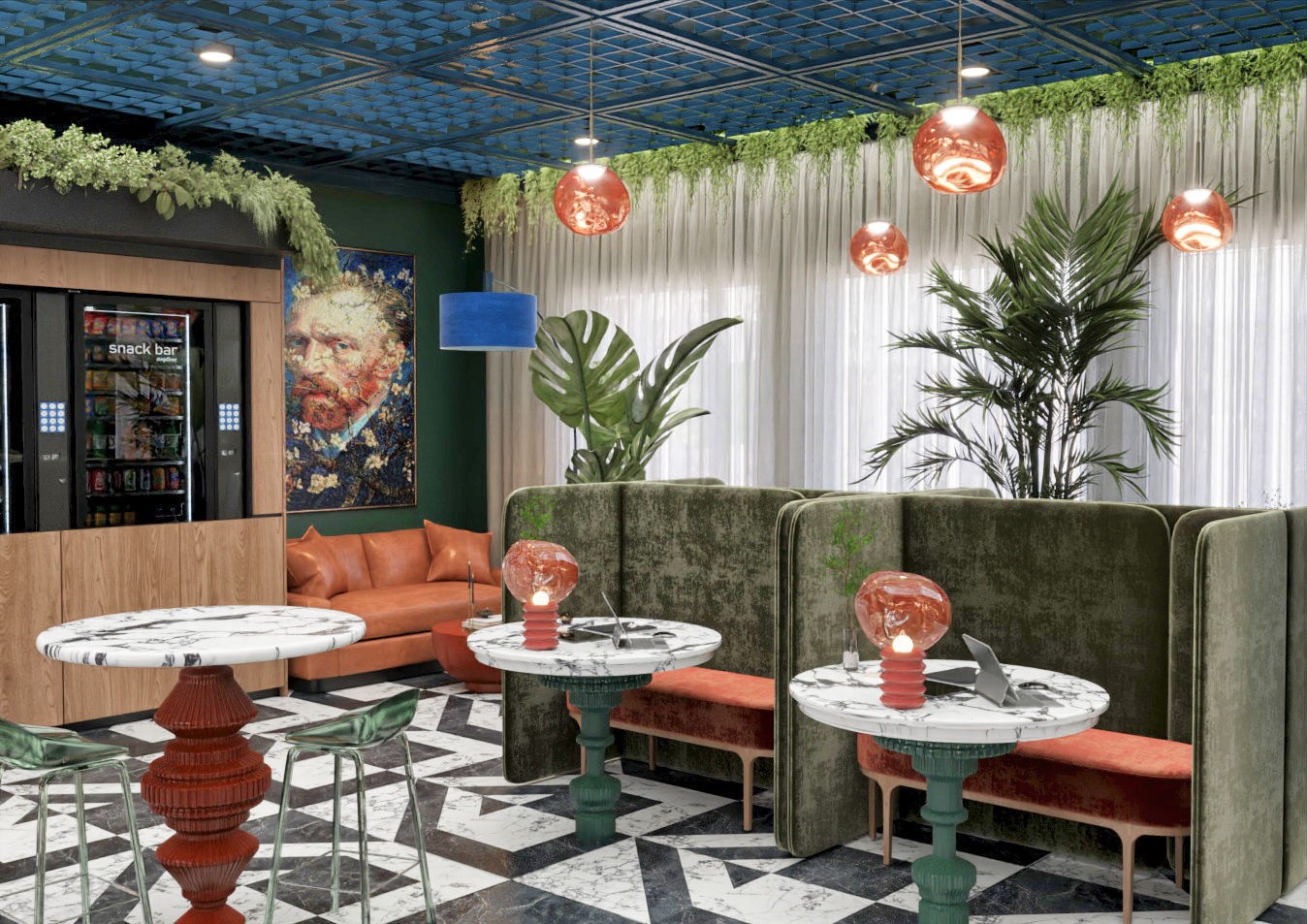
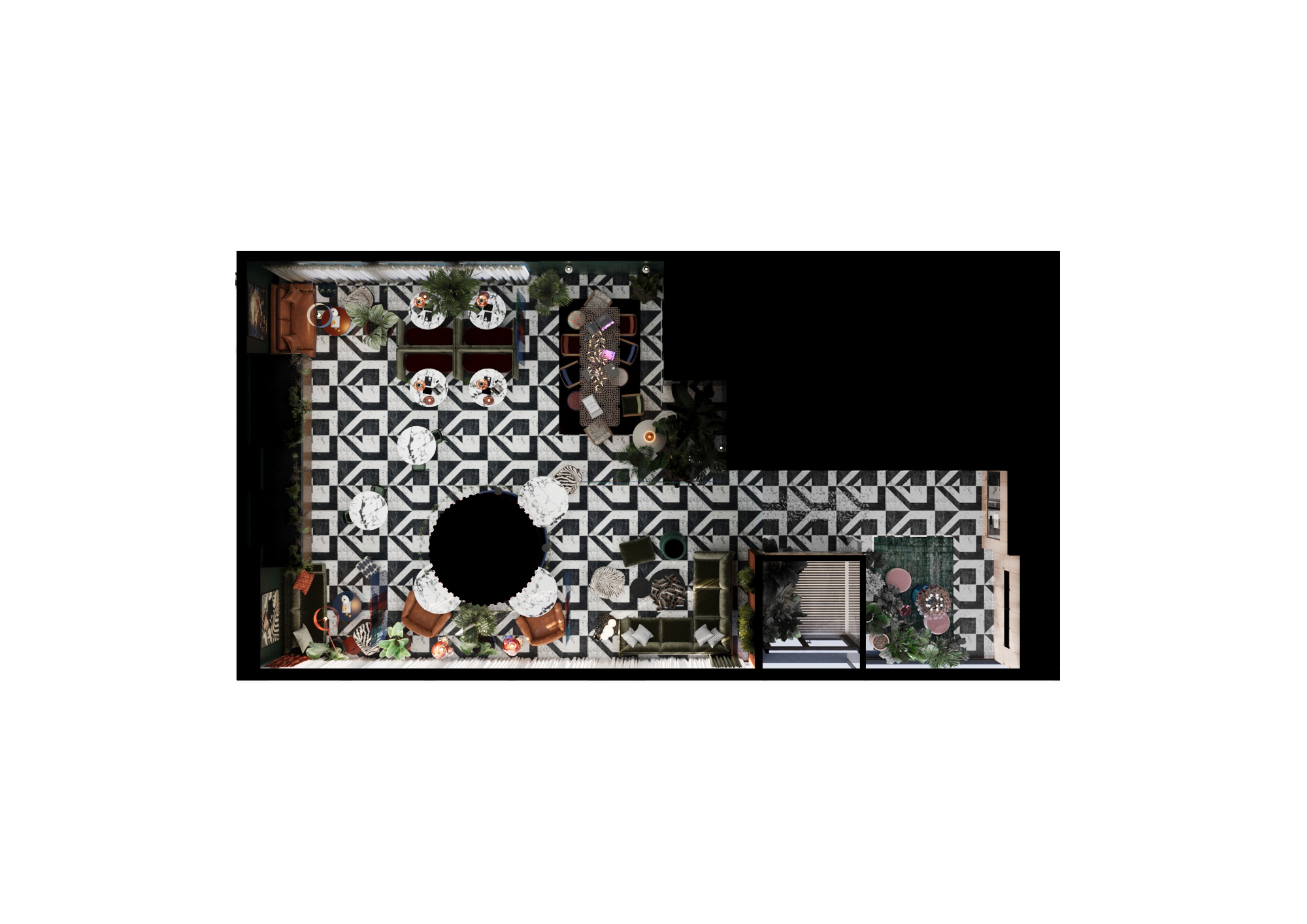
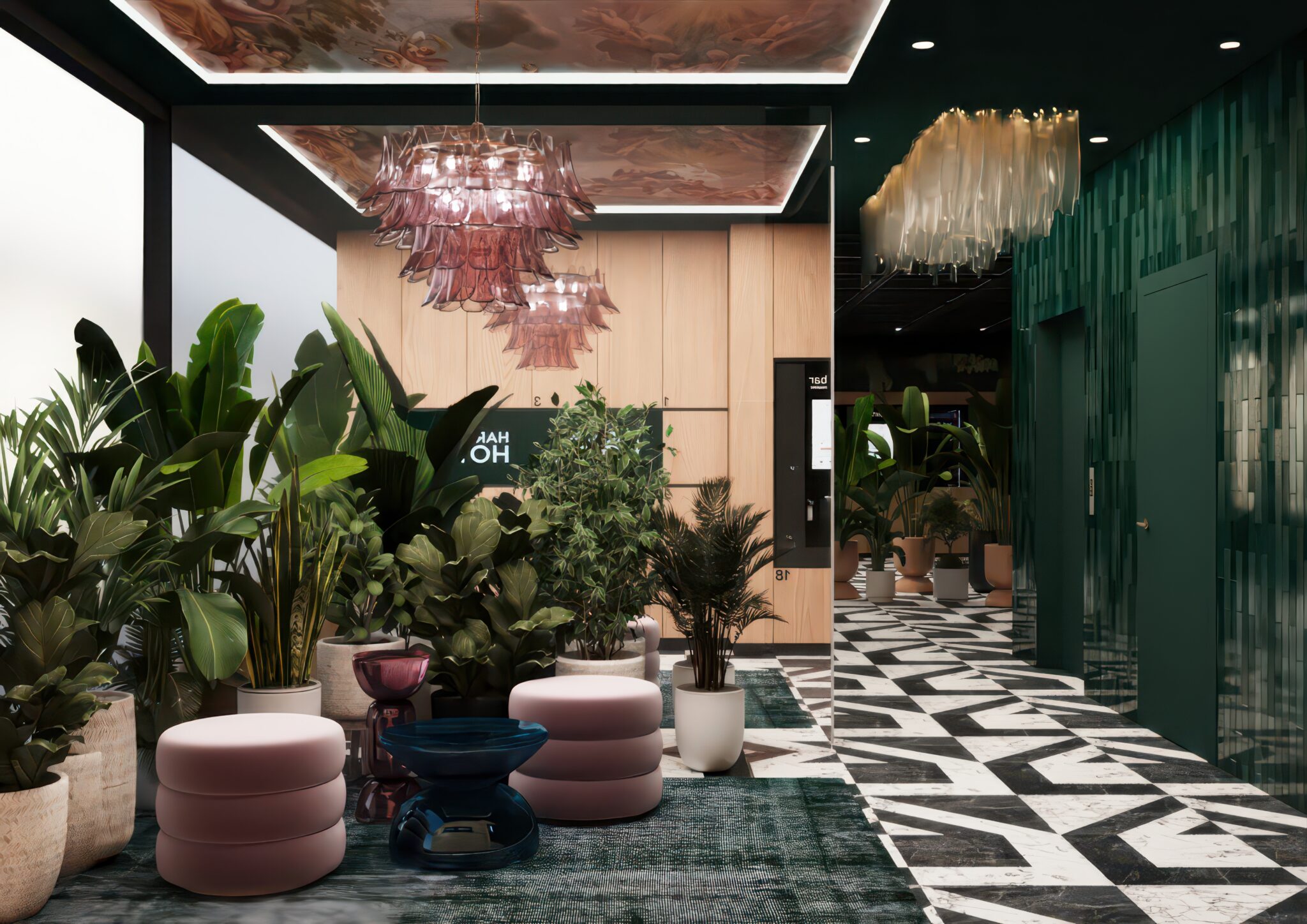
The lounge area was also redefined as more than a conventional waiting space. It was designed as a flexible and active environment where guests can work individually, collaborate in groups, hold informal meetings, take short breaks, or access food and beverages through automated self-service systems. This space plays an important role in supporting the lifestyle of professional guests and functions as one of the main social and productive areas of the hotel.
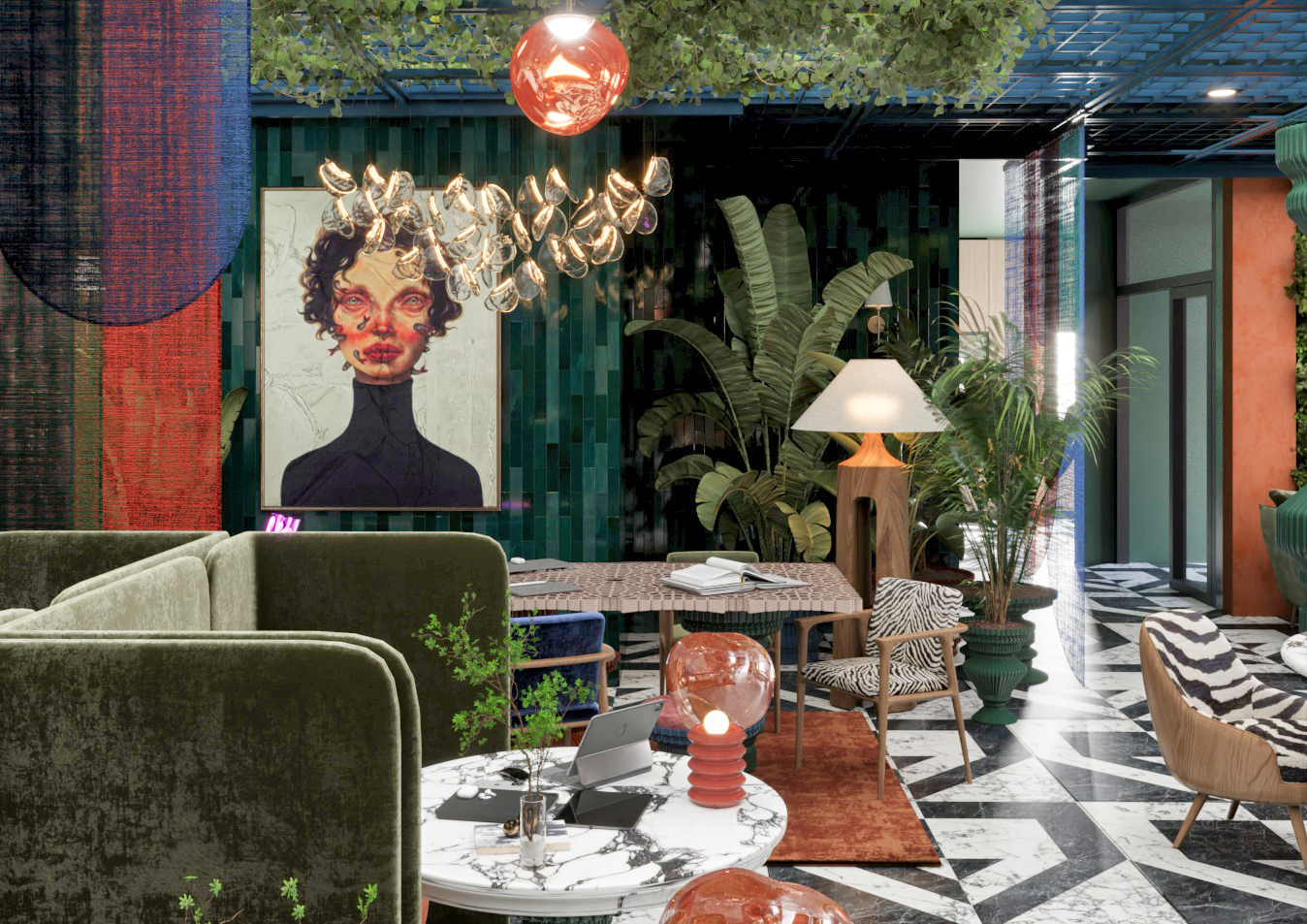
Art is another important component of the project’s spatial identity. Artistic elements and selected artworks are integrated throughout the hotel to enrich the overall experience and strengthen its individual character. Rather than being treated as purely decorative elements, art becomes part of the spatial narrative and contributes to the identity of the hotel as an independent and contemporary boutique destination.
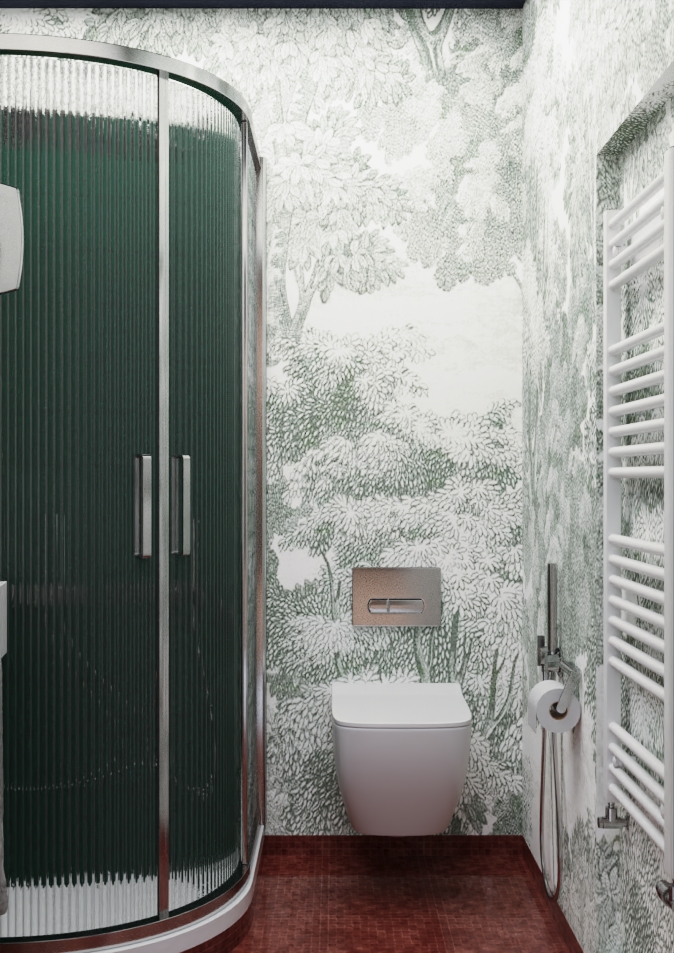
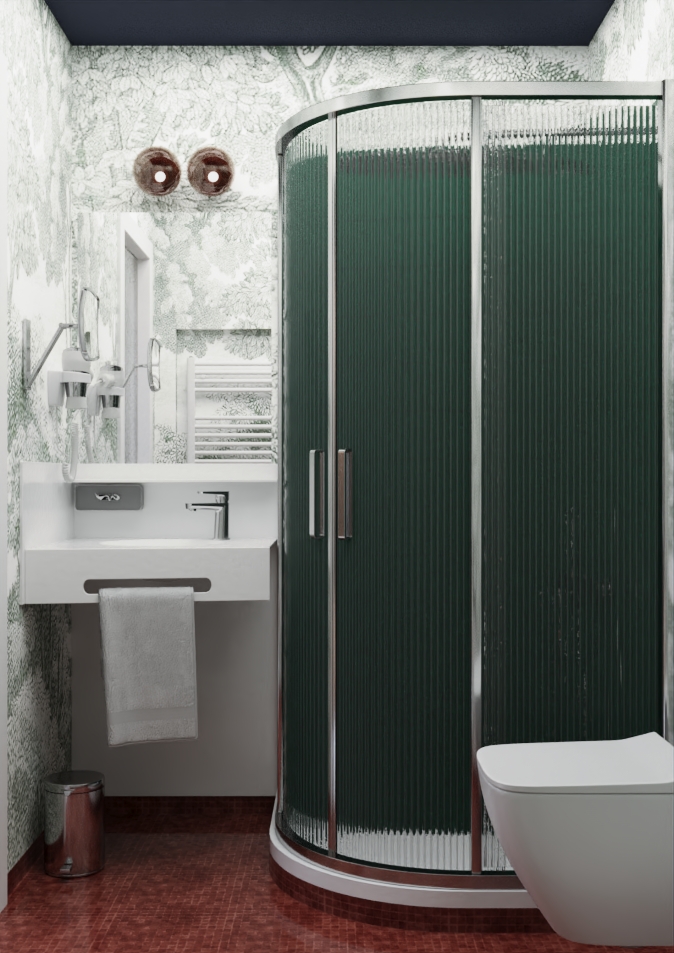
The visual identity of the hotel is based on a combination of blue, green, and cinnamon-copper tones. This color palette is repeated throughout different parts of the project to create visual continuity between public and private spaces. Within this palette, green acts as the main calming and accent color, creating a balanced atmosphere alongside the richer and warmer tones.
The selection of materials, lighting, furniture, and decorative details all contribute to reinforcing this visual language and creating an environment that feels refined, elegant, contemporary, and warm. The overall objective was to achieve a sense of understated luxury without relying on excessive decoration.
The final result is a modern smart boutique hotel in Stuttgart where interior design, technology, user experience, and visual identity are brought together within one coherent and functional system.
Through this transformation, Harmony Hotel evolves from a traditionally operated hotel into a contemporary hospitality environment that responds directly to the needs of today’s users. By removing unnecessary services, optimizing existing structures, and focusing on the quality of essential experiences, the project presents a new interpretation of the modern business hotel—independent, efficient, flexible, and distinctive.